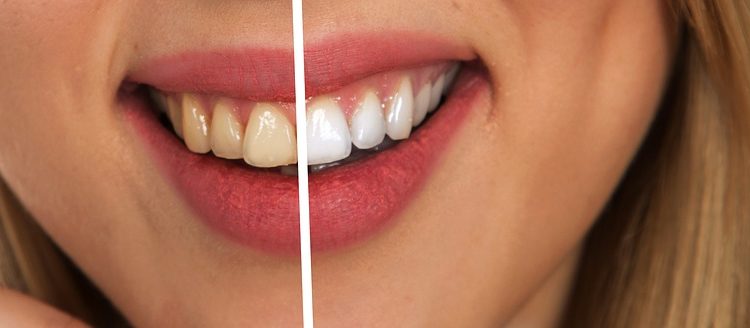

Dreaming of a Hollywood smile? While coffee, tea, and red wine can leave unwanted stains, teeth whitening offers a solution. But before diving in, understanding the process is key. Here are 5 essential facts to know about teeth whitening:
1. Not All Smiles Are Created Equal: Understanding Whitening Options
There’s no one-size-fits-all approach to teeth whitening. The best method depends on your desired results, budget, and sensitivity. Here’s a breakdown of popular options:
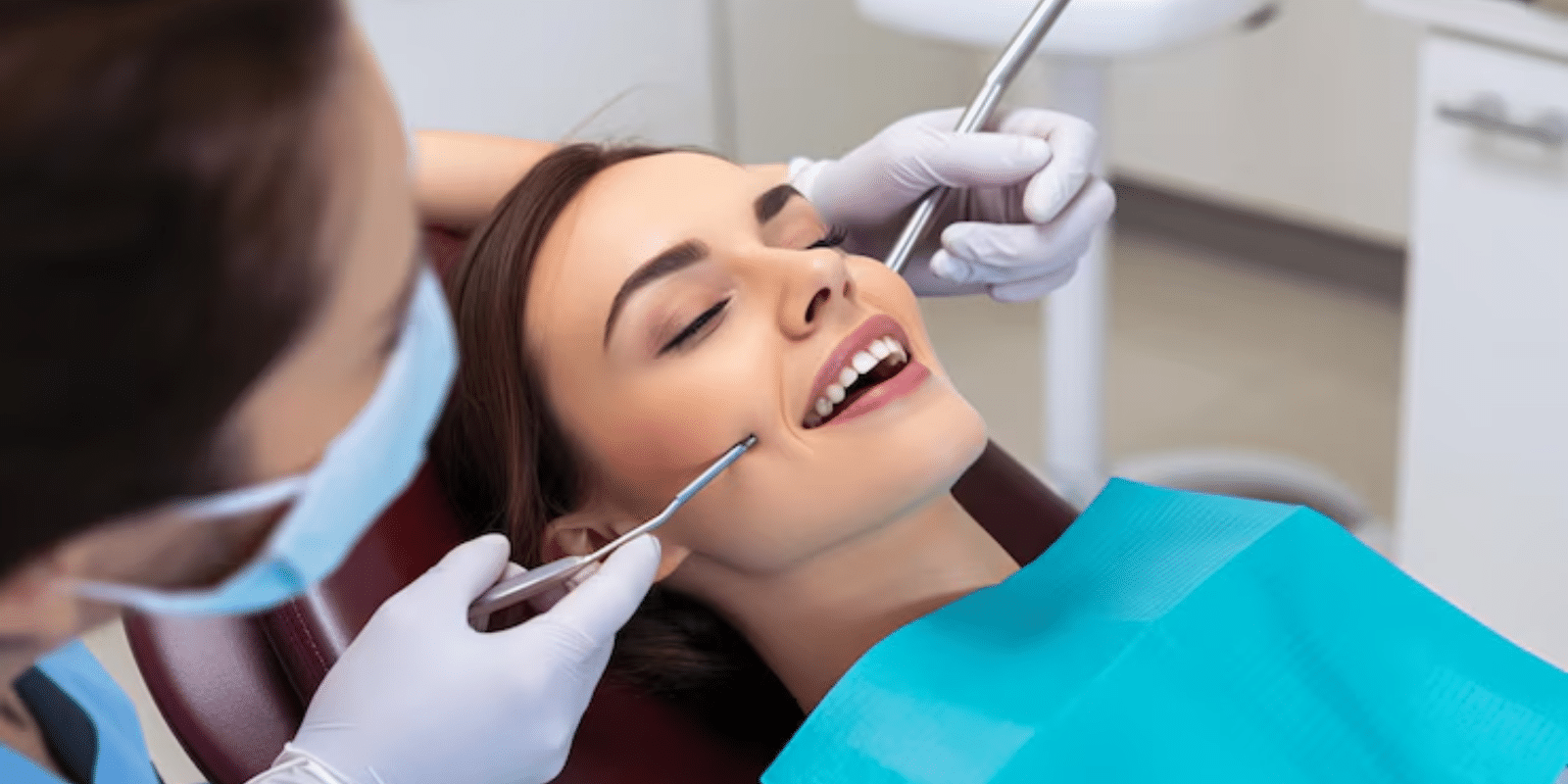
- Professional Whitening: Performed by a dentist, this offers the most dramatic results. They use concentrated whitening agents and specialized techniques for a safe and effective treatment.
- At-Home Whitening Kits: Supervised by your dentist, these kits provide custom-fitted trays and bleaching gels for gradual whitening at home.
- Whitening Toothpastes and Rinses: These contain mild abrasives and low-dose peroxides to remove surface stains. While effective for minor discoloration, they won’t dramatically whiten teeth.
2. Temporary Twinkle: Knowing How Long Your White Smile Lasts
The dazzling effects of teeth whitening are wonderful, but unfortunately, they’re not permanent. Here’s what to expect:
- Professional Whitening: Results typically last 1-3 years with good oral hygiene practices.
- At-Home Whitening Kits: Effects can last for up to a year, with occasional touch-ups needed.
- Whitening Toothpastes and Rinses: These offer minimal whitening that fades quickly. Regular use might help maintain results from other methods.
3. Sensitivity SOS: What to Expect After Whitening
Teeth whitening can cause temporary tooth sensitivity, especially for those with sensitive teeth. Here’s how to manage it:
- Use Desensitizing Toothpaste: Before and after whitening, using toothpaste formulated for sensitive teeth can help.
- Gradually Whiten: Discuss a slower whitening schedule with your dentist to minimize discomfort.
- Pain Relief Medication: Over-the-counter pain relievers can help manage any temporary discomfort.
4. Beyond Bleach: Not Everything Responds to Whitening
While teeth whitening works wonders for many, it’s important to understand its limitations:
- Crowns and Veneers: These dental restorations won’t whiten with standard treatments. Discuss options for whitening your natural teeth and having restorations color-matched afterward.
- Tetracycline Stains: Antibiotics like tetracycline can cause discoloration in developing teeth. While whitening can help in some cases, it might not be fully effective.
- Fluorosis: Excessive fluoride exposure during tooth development can cause white spots. Whitening may not address these concerns.
5. Consulting Your Smile Superhero: Why a Dentist is Key
While over-the-counter whitening products are readily available, consulting your dentist before whitening is crucial. Here’s why:
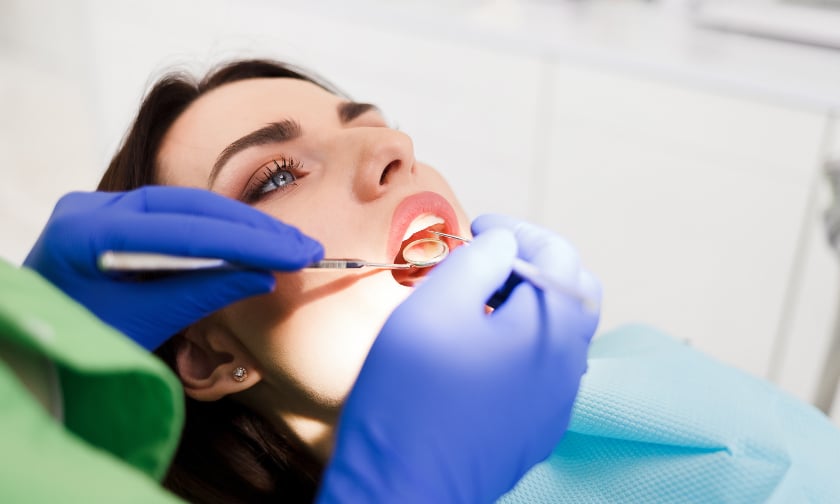
- Safety First: A dentist can assess your oral health and recommend the safest and most effective whitening method for your unique needs.
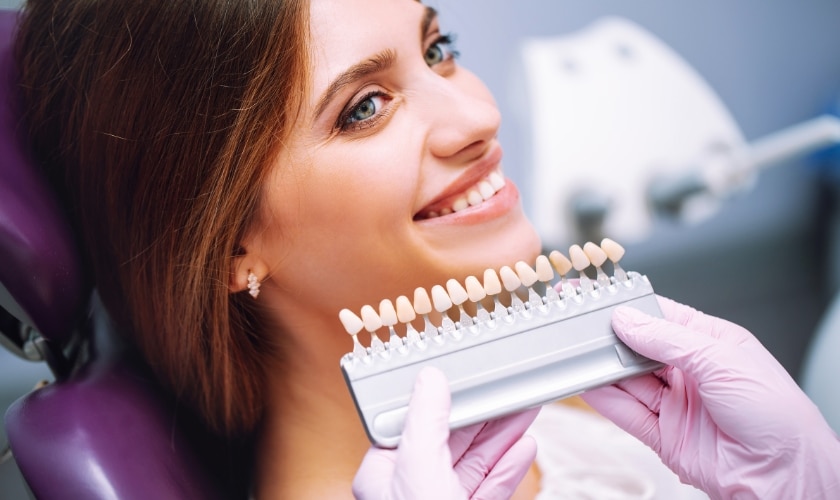
- Customized Care: They can identify any underlying issues that might affect whitening or create custom trays for at-home treatments.
- Long-Term Smile Health: Regular dental checkups ensure your whitening treatment complements your overall oral health routine.
By understanding these key facts, you can approach teeth whitening with confidence and achieve a brighter, healthier smile. Remember, a dazzling smile is just one of the many benefits of good oral hygiene. So, brush, floss, and visit your dentist regularly to keep your smile sparkling!